
What does OSHA require for handwashing on a jobsite?
OSHA 1926.51(c) sets toilet counts by crew size: 1 facility for 20 workers or fewer, then 1 toilet seat and 1 urinal per 40 workers as you climb past that, dropping to 1 per 50 once you hit 200 workers. Handwashing follows the same logic in practice, one station per cluster of toilets, not one for the whole site scattered across an acre. Separately, 29 CFR 1910.141(d)(2) requires soap and towels or a hand drying device at any washing facility, sanitizer gel does not count as compliant. If your crew is spraying paint, coatings, herbicides or insecticides, OSHA 1926.51(f)(1) kicks in and adds washing facilities specifically for that contaminant exposure, on top of the general sanitation stations. Farmington Hills Porta Pros pairs handwashing station rental with portable toilet rental so both requirements land in one delivery. For a broader breakdown of the sanitation math, see OSHA Portable Toilet Requirements.
How many handwashing stations does my Farmington Hills site need?
Crew size drives it, and most job sites in the region run one station per 20 to 25 workers, mirroring the toilet ratio in OSHA 1926.51(c). A framing crew of 15 near Farmington, 2.5 miles south, usually gets by with a single combo unit. A larger build in Farmington Hills with 60 to 80 workers needs two or three stations spread across the site, not clustered at the trailer. Farm operations fall under a separate rule: OSHA 1928.110 requires field sanitation with potable water, toilets and handwashing within a quarter mile walk for hand-labor employees, one facility per 20 workers. If you run agricultural crews, check Farm and Agricultural Restrooms for setup guidance. Event organizers planning something in West Bloomfield, 9.3 miles north, or Bloomfield, 12.2 miles northeast, should size stations against expected attendance, not just staff, since guests wash hands too. Use the How Many Porta Potties Do I Need guide to translate headcount into unit counts, and pair it with portable sink rental for the wash side.
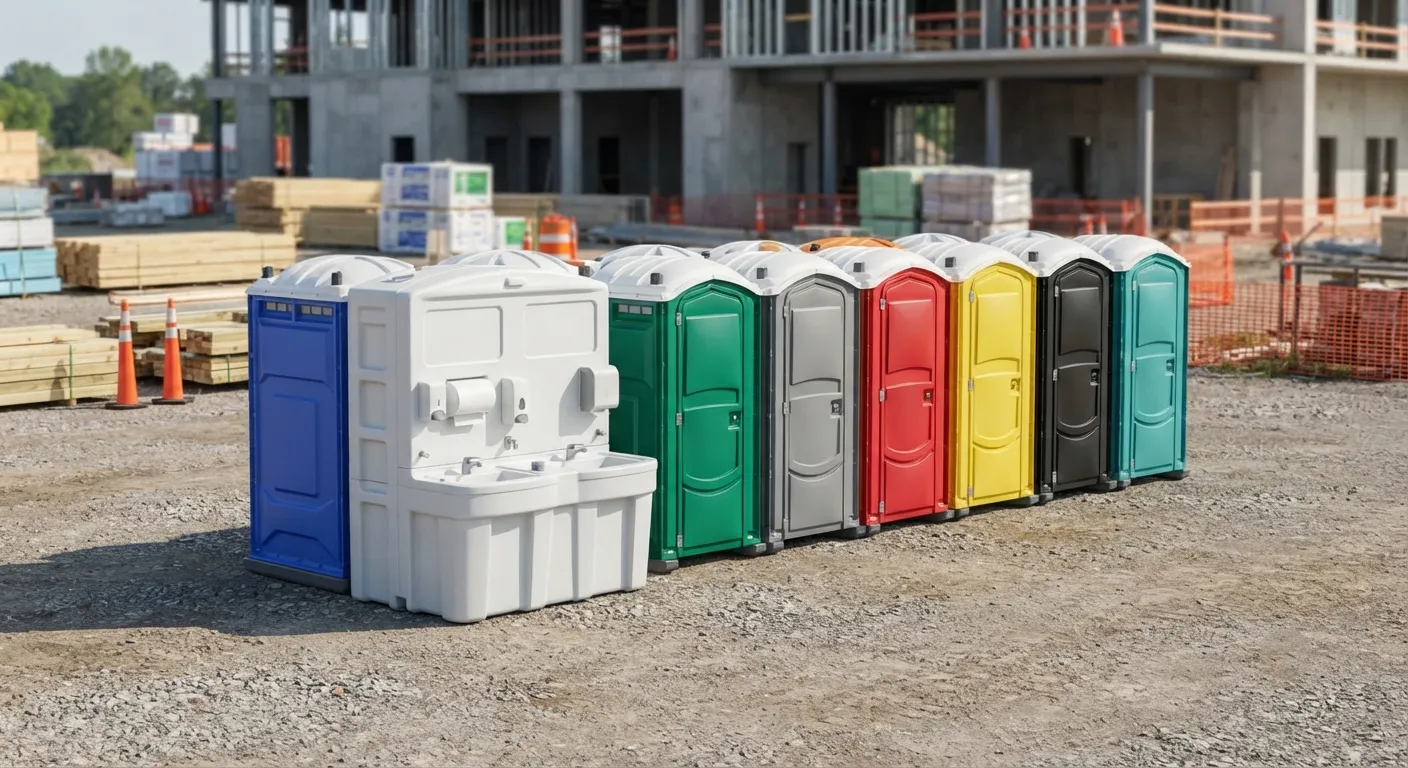
What is the difference between a handwashing station and a sanitizer station?
A handwashing station has running water, soap and towels, satisfying 29 CFR 1910.141(d)(2). A sanitizer station is gel or foam only and does not meet that standard for construction or general industry work. Some sites use both: sanitizer at entry points for quick use, real handwashing at the sanitation cluster near the toilets. If your project needs the compliant version, book handwashing station rental rather than hand sanitizer station rental alone, and keep the sanitizer units as a supplement, not a substitute. Restaurants and food trucks working events in Farmington Hills often need both, plus a portable sink rental at the food prep line itself. OSHA 1926.51(a)(1) also requires an adequate supply of potable water at any workplace, which is the water source your handwashing units draw from, so confirm your rental includes a filled tank, not just an empty shell waiting on a hose hookup that never shows up.
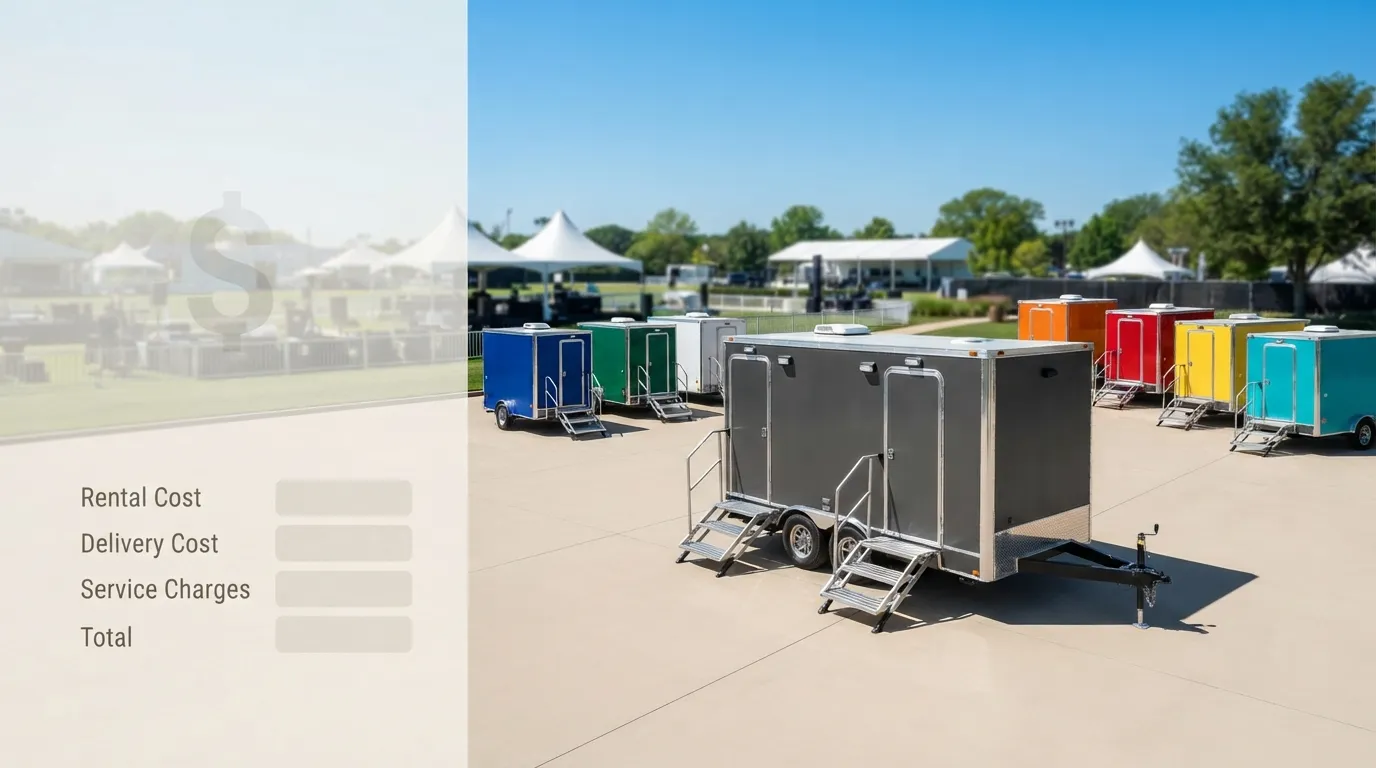
Where should handwashing stations sit on my site?
Put them next to the toilets, not across the lot. Workers skip handwashing when it is a fifty yard walk from the porta johns, and that defeats the point of meeting 1926.51(c) in the first place. On accessible sites, ADA Standards 213.2 requires that at least 5 percent of clustered single-user toilet units be accessible, and the handwashing station serving that cluster needs the same clear approach: a 60 inch turning circle under ADA Standards 304.3.1 and a stable, slip-resistant surface under ADA Standards 302.1. Placement in the public right of way in Farmington Hills is not something we can confirm here; check with the city before setting units on a street or sidewalk. For the rest of the layout, from setback distances to service truck access, see Porta Potty Placement Guide and ADA Accessible Porta Potty. Renovation crews working single-family jobs in Farmington Hills usually put one combo unit at the dumpster and driveway, covered in Home Renovation Porta Potty.
| unit | duration | typical price |
|---|---|---|
| standard | day | 150 |
| standard | week | 200 |
| standard | month | 200 |
| service_fee | week | 60 |
Pricing for standalone handwash units tracks close to standard toilet rentals since delivery and pickup logistics are the same. Full cost breakdowns live at Porta Potty Rental Cost, Porta Potty Rental Per Day and Monthly Porta Potty Rental. Construction sites juggling toilets, fencing and a dumpster together should start at Construction Site Services or Roll-Off Dumpster Rental.
Do I need a separate permit for a handwashing station?
Permit rules for placement in Farmington Hills are not something we can state here without confirming with the city first, so we will not guess at a fee or code number. Check Porta Potty Permit Requirements before delivery day, especially for right-of-way placement.
Can I just use hand sanitizer instead of a wash station?
No, not for compliance. 29 CFR 1910.141(d)(2) requires soap and towels or a drying device, and sanitizer gel does not meet that standard on its own. Pair sanitizer stations with real handwashing units, covered at hand sanitizer station rental.
How often are handwashing stations serviced?
ANSI/PSAI Z4.3 sets a baseline of one service visit per week for up to 10 users over a 40 hour week. Busier sites need more frequent visits. Ask about your crew size when booking through request a quote.
Do event handwashing stations differ from jobsite units?
Not in equipment, mostly in count. Weddings and festivals need stations sized to guest count, not crew size. See event restroom rental and wedding restroom rental for sizing help.
What comes with a rented handwashing station?
A filled water tank, soap, and paper towels or a drying device, meeting 29 CFR 1910.141(d)(2). Farmington Hills Porta Pros delivers, fills, and services the unit on the same schedule as your toilets. Ask at contact for a combined quote.
Next step
Get a delivery date
Tell us the address, the dates and the headcount. We size the order and confirm the route.